

Air DG freight
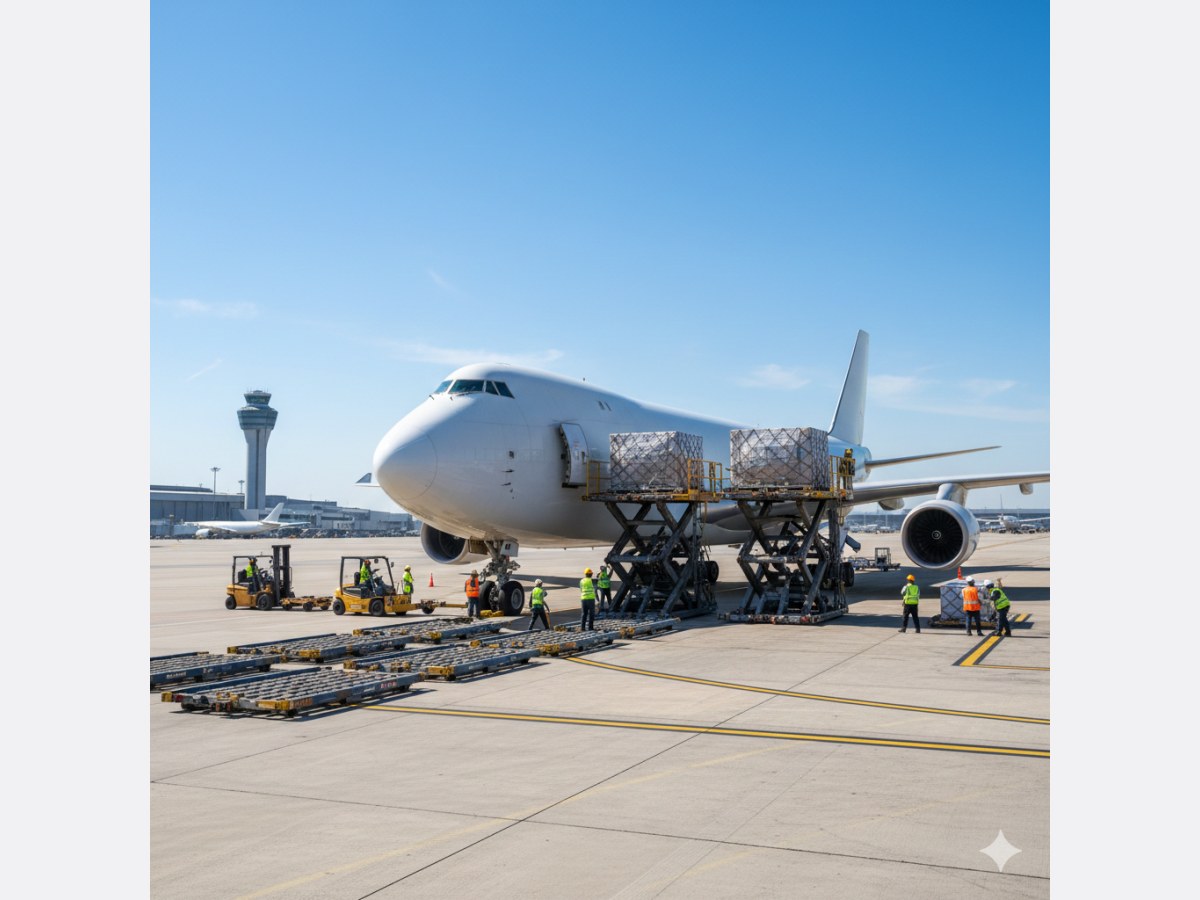
DGR declarations, quantity limits, Q7 handling and airline validation per carrier policies.
Secure transport of dangerous goods with all required certifications. Full compliance with IATA/IMDG regulations.


Regulatory compliance
Frameworks mastered
Monitoring & oversight
Years of expertise
Each mode has its own constraints: we size routing, paperwork and carrier approvals.
DGR declarations, quantity limits, Q7 handling and airline validation per carrier policies.

IMDG stowage, segregation, container paperwork and terminal / forwarder coordination.

ADR vehicles and drivers, journey plans, emergency response and secure delivery.
We run your shipment as a project: risk identification, packing plan, carrier sign-off and tracking to handover.
KEITATA teams work with procurement, QHSE and operations to lock down friction points (customs, hubs, customer delivery).
Dangerous goods (DG) are substances or articles that pose a risk to health, safety or the environment. Transport requires specific expertise and strict compliance with IMDG (sea) and IATA DGR (air) rules.
Our certified teams handle chemicals, gases, flammable liquids, toxic and corrosive materials, and other ADR classes using documented procedures and UN-approved packaging.
From product data to proof of delivery, we align your flows with operational requirements: limited quantities, regulated areas and coordination with your subcontractors.
Five steps to secure your flow without guesswork.
UN / proper shipping name review, SDS, quantities and mode-specific restrictions.
DGD, packing instructions, customs filings and internal approvals.
Approved packaging, labels, overpacks and compliant shipping papers.
Carrier approvals, segregation, live tracking and control points.
Consignee handover, archiving and feedback for your next moves.
We process all classes according to international regulations.
Explosive substances and articles, fireworks, ammunition, distress rockets.
Class 1Compressed, liquefied or dissolved gases: propane, oxygen, nitrogen, CO₂, etc.
Class 2Petrol, solvents, paints, varnishes, alcohols, perfumes.
Class 3Matches, sulphur, activated carbon, self-reactive substances.
Class 4Liquid oxygen, hydrogen peroxide, nitrates, chlorates.
Class 5Pesticides, cyanides, viruses, medical samples, hospital waste.
Class 6Uranium, medical isotopes, radioactive sources, nuclear waste.
Class 7Acids, bases, lithium batteries, industrial cleaning products.
Class 8Lithium-ion batteries, strong magnets, dry ice, asbestos.
Class 9From classification to final delivery, every step is controlled.
Correct UN number, dangerous goods declaration (DGD), safety data sheets (SDS/MSDS) and customs paperwork.
UN-approved packaging, regulatory marking, compliant labelling, overpacks and IATA/IMDG packing instructions.
Airline approvals, special permits for regulated goods, coordination with authorities.

DG-approved vehicles and units, segregation, 24/7 GPS tracking and emergency protocols.
Upskilling your teams, classification support and help preparing documentation.
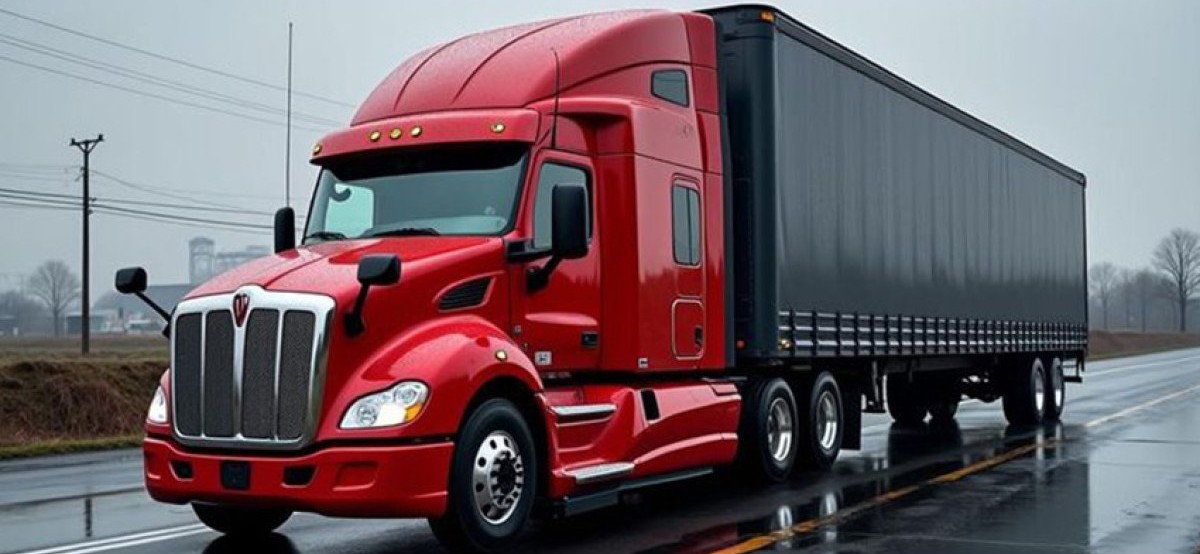
Response plans, trained teams, emergency services coordination and spill handling.
Staff trained to Dangerous Goods Regulations.
Compliance for maritime transport of dangerous goods.
Road, rail and inland waterway transport under applicable rules.
Certified quality management system.
Quality processes and end-to-end traceability.
Strict protocols and continuous improvement.
DG contact for urgent operations.
Answers vary by product, quantities and mode — our experts validate each file.
Our experts review your case (UN class, quantities, modes) and propose a compliant solution.
Dangerous goods transport requires advance declaration. Contact us at least 48 hours before shipment for formalities.
A new version of the app is available.